A face thatlistens back.
Real-time AI avatars see you, hear you and answer in under a few seconds, with a face that reacts. I spent a weekend testing every serious engine so we all understand what this technology can and can't do yet. Try her yourself: talk to Rose about anything, in English or UAE Arabic.
What happens in the second after you speak
A live avatar is not one AI. It is six systems in a relay, running in the cloud and streaming video to your browser like a video call. Every layer can be tuned, and most can be swapped for our own.
Perception
Reads your face, tone and surroundings from the camera and microphone.
Speech to text
Transcribes what you say as you say it, in 40+ languages.
Turn-taking
Decides when you have finished, so she doesn't cut in or leave gaps.
The brain
An LLM with the client's knowledge, rules and tools: bookings, CRM, FAQs.
Voice
Turns the answer into speech with emotion, in the client's chosen voice.
The face
Renders lips, eyes and expression in real time, while speaking and while listening.
The blind test: five avatars, one hotel concierge
Each avatar played the same concierge with the same instructions and the same three-minute call. I rated them without knowing which engine was which, and the page measured speed and video quality in the browser.
| Avatar | Realism | Speed | Emotion speaking | Emotion listening | Eyes and movement | First frame |
|---|
Same brief for all
One persona (Noa, a five-star concierge), one hotel fact sheet, one greeting, a three-minute cap, labelled A, B and C so the engine stayed hidden.
Measured, not guessed
The page logged time to first frame, reply delay, resolution, frame rate and dropped frames for every call. Every Tavus call arrived at 1280×720 and about 24 fps with zero dropped frames.
AI against AI
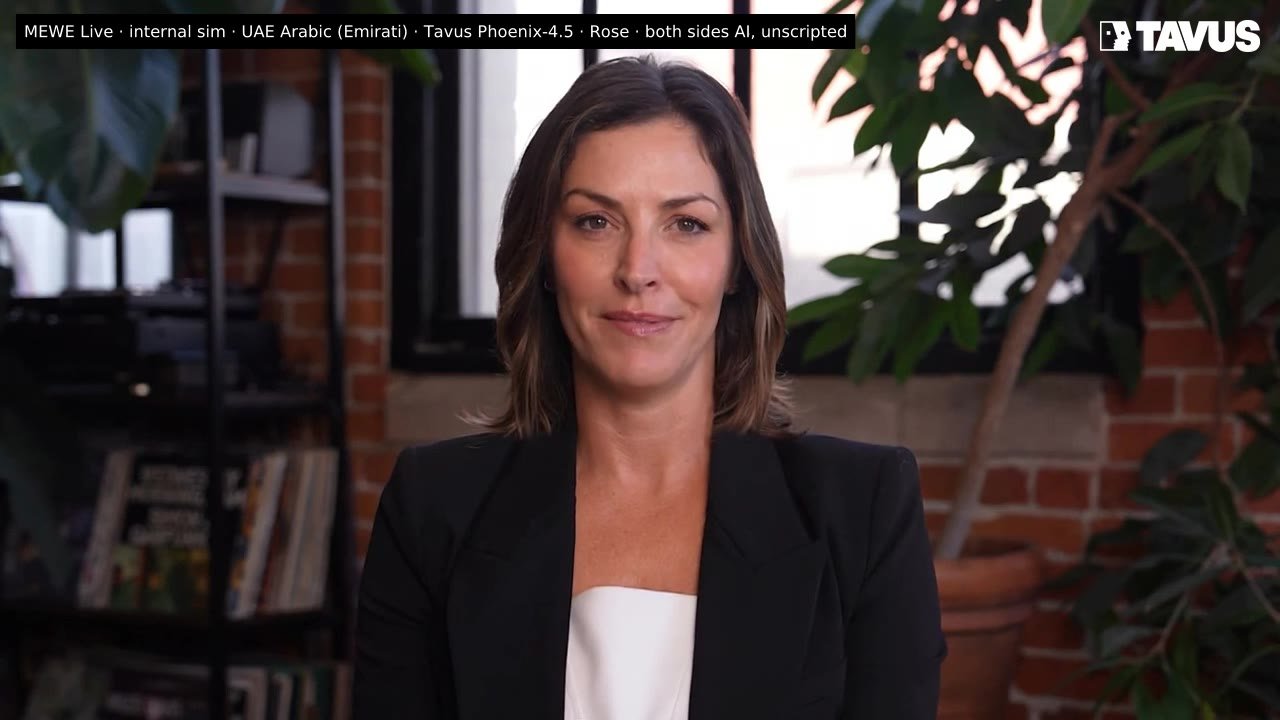
To test languages none of us speak, an AI guest called the concierge live and unscripted, angry at first and happy by the end, recorded with subtitles.
Watch an angry guest turn happy
Both sides are AI and nothing is scripted. The guest is told to start furious and only calm down once the concierge actually fixes things. Watch her face while he complains: that is the part that still needs work.
UAE Arabic, broken AC and one bed
1:43 in natural Emirati dialect on both sides. She apologises, upgrades the family to a sea-view suite and sends juice and dates for the kids.
Tavus Phoenix-4.5, RoseEnglish, with a caller on camera
The guest has a face here, so her perception layer can read his anger. Empathy-tuned instructions: no smiling at a complaint.
Tavus Phoenix-4.5, RoseRussian, a lost reservation in Almaty
2:19 with a full arc. Kazakh itself isn't supported by the voice engine yet, so we ran Russian, the business language there.
Tavus Phoenix-4.5, RoseFor comparison: D-ID Expressive
The same Arabic scenario on D-ID's newest expressive avatar. Same polite smile while listening, and visibly less real than Tavus.
D-ID V4, MiaWhat we learned
Tavus is clearly ahead, and good enough to impress in a demo. It is not yet good enough to put in front of a luxury hotel guest or a government service desk without caveats.
She still smiles while you complain
Every engine we tried keeps a polite resting smile while it listens. Prompting, tuning and giving her a camera view of the caller helped a little, but the resting face comes from the face model itself. That is exactly what the next generation is built to fix.
The model matters most
Same face, same voice: Phoenix-4 scored 3 for listening, Phoenix-4.5 scored 8. Always use the newest model.
So does the face
On the same model, Brooke scored 5 for realism with flickering eyes; Rose scored 8. Faces need screening before a client sees them.
Reply time
Tavus reports about one second. End to end in the browser it feels like 2–3 seconds: fine for a hotel, tight for a busy service desk.
Not full HD yet
Video arrives at 1280×720 and about 24 fps, not the advertised 1080p. Sharp on a phone, softer on a large screen. We've asked Tavus.
Gulf Arabic works
Natural Emirati dialect on both sides. One flaw: in Arabic she sometimes cut into the guest's first sentence.
Where this stands
Tavus Phoenix-4.5 with Rose is our engine. We don't pitch it to clients until the face reacts while it listens.
Tavus has announced Griffin, a new model that watches, listens and reacts while you are still talking, instead of taking turns like a walkie-talkie. In Tavus's own blind test, 48% of people believed they were talking to a human after a one-minute call. These are company claims, the model is invite-only, and I've applied for early access. Our setup treats the face as a swappable layer, so Griffin drops in without rework.
- 15–16 Oct
Landscape and round 1
Tavus, Anam, HeyGen, D-ID, Runway and Avaturn reviewed; blind test of Tavus against Anam.
- 16–17 Oct
Round 2 and the listening test
Rose on Phoenix-4.5 wins, 8 out of 10 for emotion while listening.
- 17 Oct
AI-to-AI simulations
English, UAE Arabic and Russian. D-ID V4 and two more Tavus faces tested. The listening smile stays.
- 17 Oct, now
Early tester for Griffin
Request sent to Tavus with three asks: Griffin access, Gulf Arabic, 1080p.
- When access lands
Re-run every test on Griffin
Same scenarios, same scoring, so we compare like for like.
- Then
First pilot
A hotel first, because it is the fastest to prove and it sells the harder buyers.
Any face, any brand
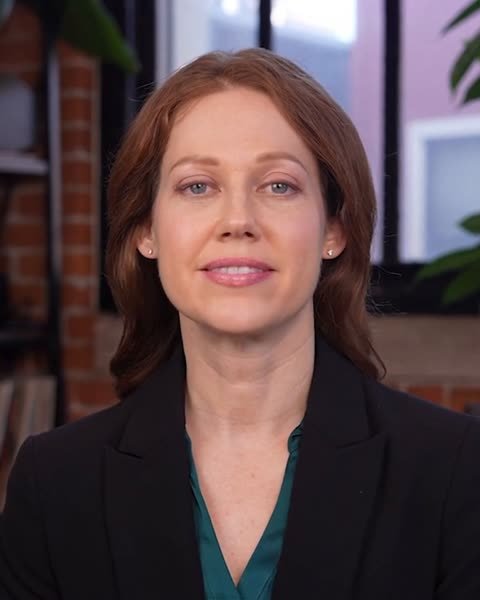
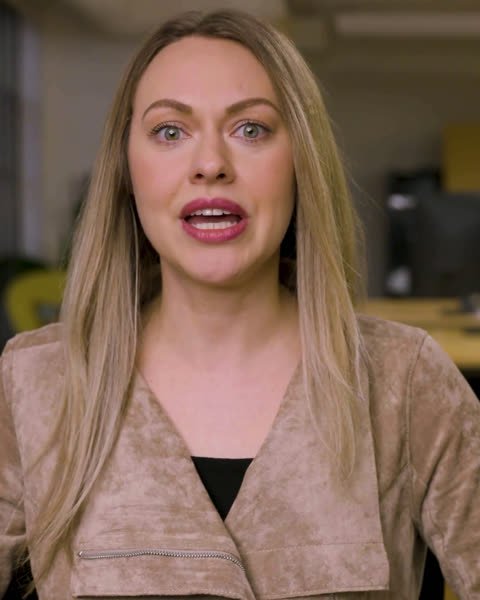
Rose is one of 100+ stock faces. A client can also have its own: a real ambassador, a staff member, or an original character we design. The face is only half of it; the persona around it is where MEWE adds the value.









An original character, made by MEWE
Layla was designed for the Fairmont spec: a face that belongs to no real person and to no stock library, only to the brand. The route: design the character in our AI pipeline, then train her into a live face from a single image or a short video.
- Unique to the client; nobody else can use her
- The same character in ads, films and the live concierge
- To verify with Tavus: training on a fully AI-generated person
Stock face
Pick from the library, ready the same day. Right for pilots and internal demos.
A real person
A brand ambassador or a real staff member records about a minute of video (30 seconds talking, 30 seconds still), and Tavus trains a live face from it.
- Strong for trust, familiar faces
- Needs the person's written consent and a usage agreement
How Bedu plugs in its own brain
The avatar is the face and the voice. The intelligence behind it can be Bedu's: its own LLM, its own data and its own agent tools. These are the connection points, as documented by Tavus.
Its own LLM
Point the avatar at any OpenAI-compatible endpoint that streams. Bedu's agent answers; the avatar gives it a face and a voice. Tavus also passes the guest's mood and appearance to that LLM as context.
layers.llm: model, base_url, api_key
Its knowledge
Upload PDFs, Word, Excel, slides or a website to crawl, and attach them per call. Tavus's knowledge base is English-only for now, so for Arabic the retrieval should sit inside Bedu's own LLM.
POST /v2/documents, document_tags
Its tools and systems
Define functions such as check availability or create a lead. Tavus either sends the call to the web page or calls Bedu's HTTPS endpoint directly, signed, and speaks the result.
POST /v2/tools, delivery app_message or api
Who's calling
Give each call its own context and greeting: the guest's name, booking, language. The page can also add context or make her say something mid-call.
conversational_context, conversation.respond
After the call
A webhook delivers the full transcript, a perception summary and, if switched on, the recording into the client's own cloud storage. Returning visitors can be remembered.
callback_url, participant_tags
The front end
Embed as a simple iframe, as a video call in our own page (this page), or with Tavus's React components. Teams with their own voice pipeline can use LiveKit or Pipecat, but lose Tavus's perception and turn-taking.
@tavus/cvi-ui, Daily JS
Where we would use it first
The same engine serves very different buyers. Each one changes what matters most: warmth, languages, or hosting and security.
Hotels
A concierge on every room and dining page that answers in the guest's language, knows the property and hands over to booking. The fastest to prove, and the proof case for everything else.
Real estate
An off-plan sales advisor for showrooms and project pages, in Arabic, English and Russian, who qualifies buyers before a person calls them back.
Government service desks
A face for public services, open around the clock, in Emirati Arabic. The highest bar: hosting location, security review and many calls at once.
Questions the tech team will ask
Answers come from Tavus's documentation and our own tests. Where something isn't documented, it says so; those are the questions for Tavus.
The basics
What is it, technically?
A live video call between the visitor's browser and an AI participant. The video is generated frame by frame in Tavus's cloud and streamed over WebRTC (the Daily video network), so it works in any modern browser with no app or plugin.
Is any of it pre-recorded?
No. Lips, eyes and expressions are rendered live from what she is saying and hearing. Only the face's appearance is learned in advance, from a short training video or a photo.
How fast does she answer?
Tavus doesn't publish a number. We measured 2 to 3 seconds from the end of your sentence to the start of her reply, and 6 to 9 seconds for the first frame when a call starts. The start delay can be hidden by preparing the call while the page loads.
Brain and data
Can Bedu use its own LLM and agent?
Yes. The avatar can call any OpenAI-compatible endpoint that streams responses (/chat/completions over SSE). Set model, base_url and api_key on the LLM layer. The endpoint doesn't even have to be a single model: it can be Bedu's full agent behind an OpenAI-shaped API. When perception is on, Tavus adds the visitor's emotions and appearance to the messages it sends.
Source: Tavus docs, LLM layer
Can it connect to our database?
Not directly, and it shouldn't. Tavus never needs database credentials. Two clean routes: Bedu's LLM endpoint does the lookup itself, or a tool sends a signed HTTPS request to a Bedu endpoint that queries the database and returns the answer.
Can it use the client's documents?
Yes. Tavus has a knowledge base: PDF, Word, Excel, CSV, PowerPoint, images, or a website it crawls (up to 100 pages). Documents are attached per call, and retrieval can be tuned for speed or quality. The catch for us: the knowledge base is English-only for now, so Arabic deployments should do retrieval in Bedu's LLM layer.
Source: Tavus docs, knowledge base
Can each call be personal?
Yes. Every call can carry its own context and greeting, for example the guest's name, room and booking dates. During the call, the page can add context or inject a line for her to respond to.
Does she remember returning visitors?
Yes, if we tag the visitor with a stable id. Tavus builds a memory per visitor and per avatar after each call; it can be deleted, but not edited. Pinned facts can be added by hand.
Functions and actions
Can she take actions, like checking availability or booking?
Yes, through tools. A tool is defined with a name, a description and a JSON schema. When she decides to use it, Tavus either sends the call to the web page or calls our HTTPS endpoint directly (with HMAC signing). She can say a filler line like “let me check that” while it runs, then answer from the result.
Source: Tavus docs, tools
Can she hand over to a human or end the call?
Ending the call is a built-in tool. A handover to staff would be one of our own tools, for example creating a callback request in the CRM or opening a WhatsApp chat.
Can the website control her during a call?
Yes. The page can make her respond to text as if the visitor said it, make her say an exact line, interrupt her, or update her context. This is how a page could react to clicks, such as “the guest just opened the spa page”.
Can she actually see?
Yes, if the visitor allows the camera. The perception model reads expressions, appearance and a shared screen, and can trigger tools on what it sees, for example when someone holds up a document.
Scale and cost
How many people can talk to her at once?
It depends on the plan: 1 call at a time on Free and Starter, 3 on Builder, 10 on Growth, 15 on Business, and custom on Enterprise. A public government service needs Enterprise.
How long can a call last?
5 minutes on Free, 10 on Starter, 15 on Builder, up to 60 on Growth and above.
What drives the cost?
Conversation minutes. Plans include a monthly allowance, then $0.26 to $0.35 a minute depending on the plan. A custom LLM, knowledge base and tools don't add Tavus charges, but Bedu's own LLM costs apply.
Source: tavus.io/pricing, 18 Oct 2026. Tavus's page shows two price grids; confirm at checkout.
Security and hosting
Is Tavus certified?
Tavus's trust centre lists SOC 2 Type 2, HIPAA and GDPR compliance, and they offer a BAA.
Source: trust.tavus.io
What happens to conversation data?
Tavus says it doesn't train on customer data. Conversations can be hard-deleted through the API. Zero Data Retention, where nothing is stored, is an account setting their team switches on, typically for enterprise customers.
Is the call recorded?
Only if we switch it on, and then the recording goes into our own storage bucket (AWS, Google Cloud or Azure), not Tavus's.
Where is the data hosted? Can it run in the UAE?
Not documented. As far as we know it runs on US cloud, and Tavus documents no regional or private deployment option. For government buyers this is the first question to put to Tavus Enterprise, and a possible deal-breaker.
Does she say she's an AI?
Her instructions require it when asked. Tavus also has built-in disclosure settings (spoken and visual) and an EU AI Act mode.
Faces, voice and language
What does a custom face need?
For Phoenix-4.5: one continuous chest-up shot of about 30 seconds speaking and 30 seconds still, at least 1080p and 25 fps. A face can also be made from a single photo and is usable within minutes, then refines over a few hours. We confirm we hold the rights to the likeness.
Source: Tavus docs, faces
Can we use an original, AI-designed character?
Yes. Tavus can even generate a face from a text prompt, and realistic as well as stylised humans are allowed. Animals, mascots and other non-human characters are not, and faces that look under 18 are rejected.
Which languages, and which Arabic?
42 spoken languages, including Arabic and Hebrew. Dialect is not something Tavus documents: we get natural Emirati Arabic by instructing the brain to speak khaleeji, and it worked well in our tests. Kazakh isn't covered by the default voice engine.
Can she use the client's own voice?
Yes: a Tavus voice, a cloned voice, or a voice from ElevenLabs or Cartesia, including private voices on the client's own account.
Who owns what
What is MEWE's part, and what is rented?
The real-time engine is Tavus, and we rent it. MEWE owns the persona design, the custom face or character, the voice direction, the knowledge structure, the testing harness and the front end. Bedu owns the agent layer: its LLM, tools and client integrations.
Are we locked in to Tavus?
Not in our setup. The face is a swappable layer behind our own page and backend, so we can move to Griffin, or to another engine, without rebuilding the experience.
What it costs to run
Tavus charges by conversation minutes. This page runs on our account; for a month of demos to Bedu and Alexander's contacts, Builder is the right plan.
Free
- 20 minutes a month
- 5-minute calls
- 1 call at a time
- Tavus watermark
Starter
- 60 minutes
- 10-minute calls
- 1 call at a time
- No watermark, 1 custom face
Builder
- 175 minutes, then $0.35 a minute
- 15-minute calls
- 3 calls at a time
- No watermark, 3 custom faces
Growth
- 1,300 minutes, then $0.31
- Up to 60-minute calls
- 10 calls at a time
- 7 custom faces
Tavus developer pricing, checked 18 Oct 2026. Enterprise (custom concurrency, compliance, hosting) is priced on request.